 Official Government Website
Tag: Idaho National Guard
German Soldiers Integrate with Idaho National Guardsmen for Field Exercise
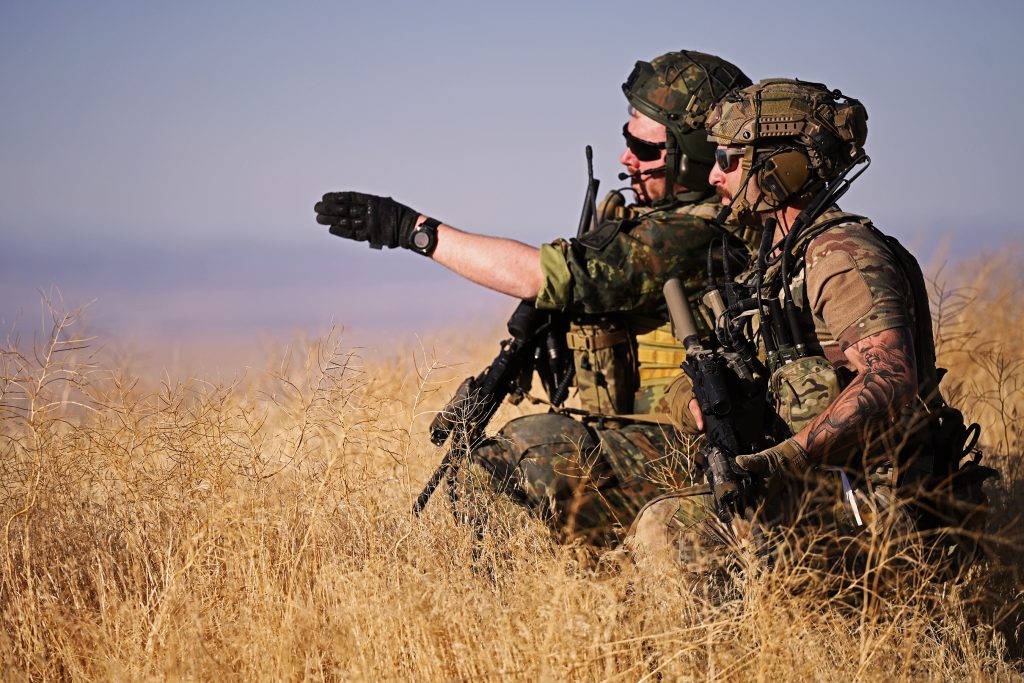
Idaho Air National Guardsmen from the 124th Air Support Operations Squadron partnered with the Idaho Army National Guard’s 1-183rd Assault Helicopter Battalion and soldiers from units based in Idar-Oberstein, Germany, to conduct a fully integrated field exercise to validate the Air Guard unit’s past two years of training Aug. 24-29.
The exercise played out on Gowen Field, Saylor Creek Air Force Range and the Orchard Combat Training Center and focused on five basic warfighter pillars: shoot, move, communicate, physical fitness and combat medicine. The field exercise included events corresponding to each of the five pillars, including live fire, convoy and tactical field movements, force-on-force scenarios, expedient field medicine and casualty evacuation.
Tech. Sgt. Alexander Hix, 124th ASOS standards of evaluation program manager, said the German soldiers integrated well with the unit despite the challenges of training in a new environment with unfamiliar equipment.
“They’re proficient in a lot of different areas, but one thing that definitely stood out was their willingness to jump in with both feet, be productive members of the team and try new firsts,” said Hix.
A joint tactical air controller and fire support officer who led the German detachment said seeing the planning process from the U.S. military perspective was a valuable experience for him, as was noting differences in leadership styles.
“What I saw of leadership here was very direct leadership, very good leadership and also very considerate of the men,” he said. “Caring for your men is a very good American strength that we’ve seen here, and I thought that was very impressive.”
He added that the German Armed Forces continued participation in exercises on American soil helps them to plan and develop ways to integrate American and other NATO nation troops into German units as they learn more about their capabilities and strengths.
Capt. Luke Nelson, 124th ASOS assistant operations officer, said the exercise itself provided data points for future improvement but more importantly, provided valuable experience to both the Airmen and their NATO partners.
“A very important piece of this for us is maintaining that relationship and broadening our horizons,” said Nelson. “This gives both their soldiers and our Airmen an opportunity to work alongside international allies in a field environment and to learn from one another. I think any time we can work with our partner nations and practice the craft that we’ve developed over the course of our careers, it’s going to make it far less painful in the event that we ever have to go to war together.”
Idaho National Guard’s Helicopter Battalion deploys to Kosovo
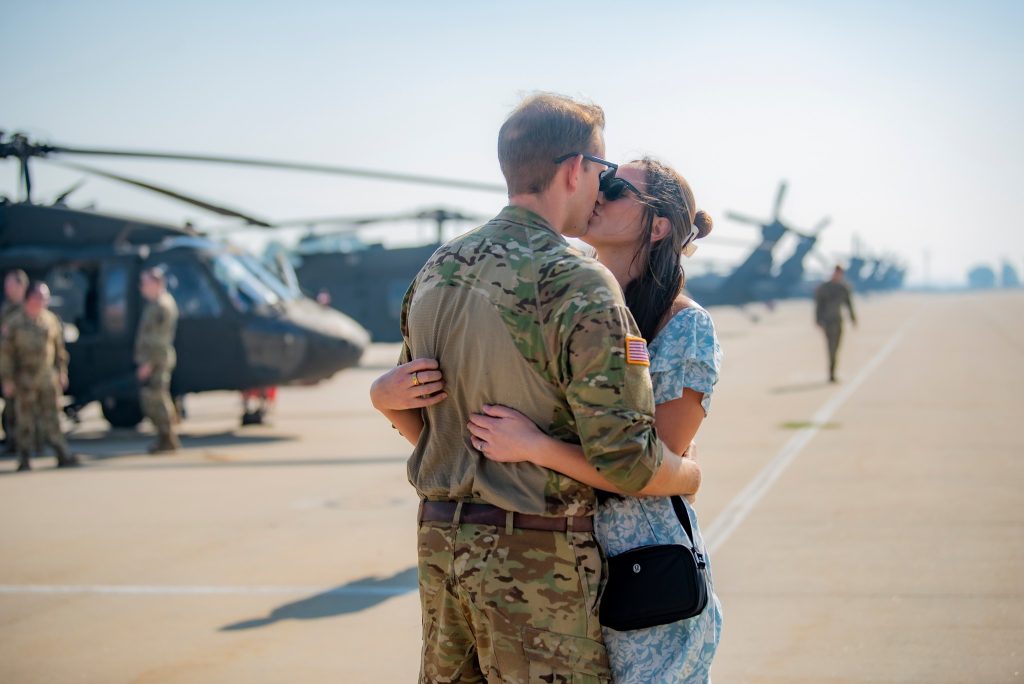
Family, friends and coworkers gathered on Gowen Field on Aug. 22, 2024, to say farewell to Soldiers from the Idaho Army National Guard’s 1st of the 183rd Assault Helicopter Battalion as they left Idaho to prepare to deploy overseas in support of Operation Joint Guardian.
“I have complete confidence that you will carry out this mission successfully and return home safely,” said Maj. Gen. Tim Donnellan, adjutant general of Idaho and commander of the Idaho National Guard. “You are among the finest Soldiers and your commitment to duty and to each other will see you through. We will continue to support you from here, and we look forward to welcoming you back home with pride and honor.”
Several UH-60M Black Hawk helicopters and more than 100 personnel deployed to Texas to receive approximately 30 days of additional training before departing to Kosovo for an 11-month rotation in support of the NATO peace-keeping mission. The unit has anticipated this mission since October of 2022 and the battalion’s Task Force Sawtooth has trained for the past 18 months in preparation for this mobilization.
Operation Joint Guardian is a joint mission under the United States European Command. Soldiers will focus on training and supporting allied partners.
“The Soldiers of Task Force Sawtooth have been working and training diligently over the past 18 months for this deployment,” said Lt. Col. Bryan C. Reid, 1st of the 183rd AHB commander. “Leadership is proud of what we have accomplished, we are focused on the mission ahead and we are ready to go.”
This deployment is the first time since 2003 that the unit has deployed to the region. The 1st of the 183rd Assault Helicopter Battalion previously deployed to Bosnia in 2002-2003 in support of a humanitarian relief aid mission and to Southwest Asia in support of Operation Enduring Freedom in 2006-2007. Most recently, the unit conducted a large-scale exercise in Guatemala in 2019, training with the Guatemalan Armed Forces as part of a humanitarian effort to help build schools and medical facilities while gaining critical experience working with foreign military partners.
“I have confidence in your readiness,” said Donnellan. “You’ve undergone extensive training and are equipped with the best tools and knowledge available. Your dedication to this mission is clear, and I know you will carry it out with the professionalism and excellence that defines the 1st of the 183rd AHB.”
Idaho National Guard OIF Vets Reunite After 20 Years
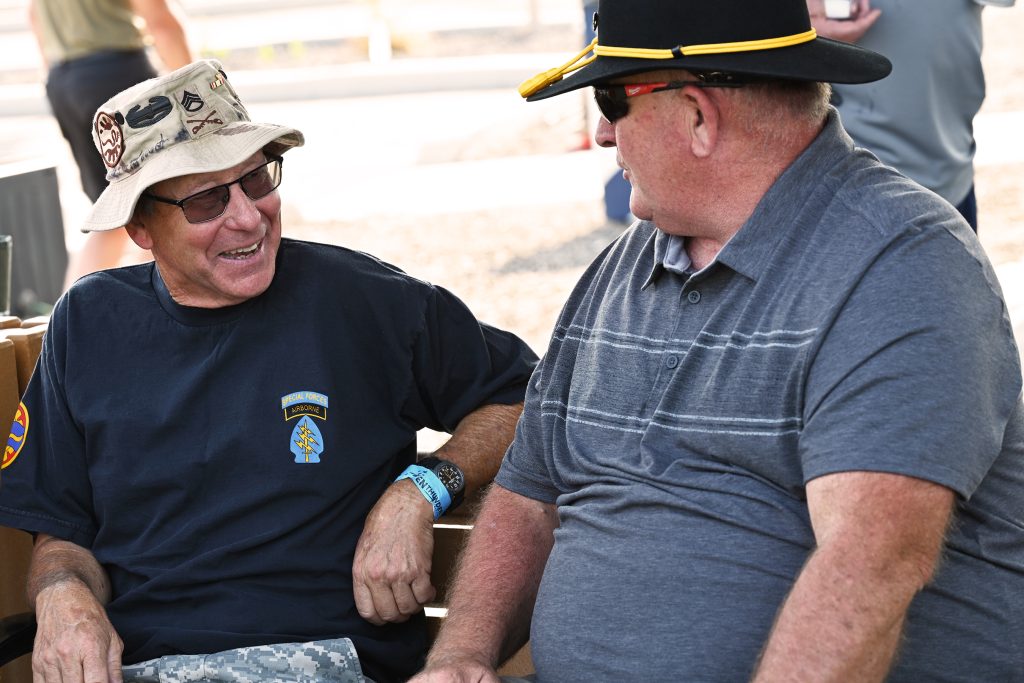
Veterans who served during the largest deployment in Idaho National Guard history gathered for a three-day 20th anniversary reunion in Boise this weekend. The weekend included battalion gatherings, a family day that included a live concert performed by the 25th Army Band and a remembrance ceremony in honor of those who made the ultimate sacrifice.
On Saturday, Dirk Kempthorne, former U.S. Secretary of the Interior and Idaho governor, was among those who addressed current and former members of the 116th Brigade Combat Team, which deployed to Iraq in support of Operation Iraqi Freedom in 2004. Kempthorne was serving his second term as governor when the unit deployed.
“To you members of the 116th, I will always be proud and inspired to stand with you,” said Kempthorne. “You have served this state with incredible bravery, courage and achievement. You have established a whole new history for Idaho about what our citizens, when called upon to serve this nation, this state and when necessary, to go to battle, will do and accomplish.”
Idaho Lt. Gov. Scott Bedke was also present, delivering a proclamation from current Idaho Gov. Brad Little to the stage declaring Aug. 10 as a day of recognition for the unit across the state.
Retired Brig. Gen. Alan C. Gayhart, who served as the unit’s commander throughout the deployment, said the unit was bolstered by Guardsmen from 15 states and included unique capabilities that were key to mission success.
“There was a reason the 116th Brigade was selected to serve in this massive area of over 10,000 square miles and three million people,” said Gayhart. “The combination of your military and civilian skills and capabilities were those needed in this troublesome area. It was clear that you were the warriors best suited to not only fight the insurgents in combat, but as citizen-Soldiers you were instrumental in the establishment of government, civic, economic, agricultural and other functions critical to peace and prosperity in this area.”
First Warrant Officer Candidates in Nation Graduate from Home Station Schools
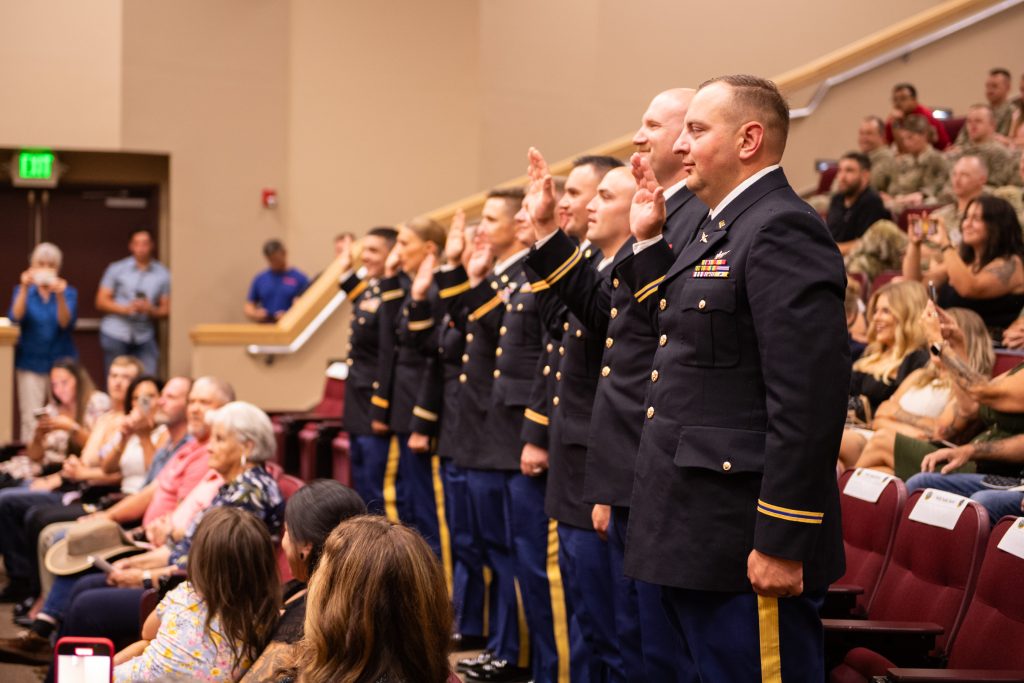
Eight Idaho Army National Guard and one Utah National Guard warrant officer candidates were among the first in the nation to graduate and pin on their new ranks in their home state or Regional Training Institute, on Aug. 4 under a revamped training timeline being implemented to the phased commissioning program across the country.
The graduates from the 2nd Modular Training Battalion 204th Regiment Warrant Officer Candidate School, Class 24-001 are: Warrant Officers Jesse J. Bliss, Simonne A. Boice, Tori J. Frederick, David G. McKenna, Devon K. Middleton, Phillip D. Pallister, David A. Reese, Jared A. Scott and Cade D. Terry.
Historically, National Guard warrant officer candidates who choose to commission through the phased program have begun Phase I of their Warrant Officer Candidate School training at RTI’s located on their home station or regionally over the course of five drill periods. Phase II of the training took place over the course of two weeks at Camp Atterbury, Indiana, and candidates graduated and pinned on their new rank there.
Chief Warrant Officer 4 Chad Thomas, commander of the Idaho National Guard’s WOCS, said the change reverses the phases, allowing candidates to begin their training at Camp Atterbury and complete WOCS at their home station or regional RTI. It also reduced the number of training days in the accelerated course hosted at Fort McClellan, Alabama, from 28 to 24. Thomas said the modifications came about as the result of input received during a two-day Reserve Component Warrant Officer Candidate School Regional Training Institute Workshop. During the workshop, more than 80 personnel from all 27 RTI’s collaborated with senior leadership from the National Guard Bureau to modernize the program.
Thomas said the Idaho National Guard is also working to keep attrition low by including a pre-WOCS course to prepare candidates for Phase I prior to reporting to Camp Atterbury.
“This was the perfect class, said Thomas. “They really gave the cadre a lot of grace, the candidates understood the changes and it was a really good experience.”
Chief Warrant Officer 5 Edward Barnowski, Idaho’s command chief warrant officer, said the changes allow home state units to personalize the course, focus on local history and make graduation celebrations more accessible to family members.
“The new schedule and POI (program of instruction) has really opened things up for us here and allows us to have culminating events,” said Barnowski.
The Idaho candidates participated in a staff ride to Minidoka, a World War II-era Japanese national internment camp near Twin Falls, hosted a mentorship dinner and took part in a victory run on Gowen Field.
“It’s just a more personable experience for the candidates,” he said. “There were so many families at the graduation. They were really excited to see their Soldiers graduate from this course, and they never got that opportunity before.”
State, Guard Conduct Cyber Discovery 2024
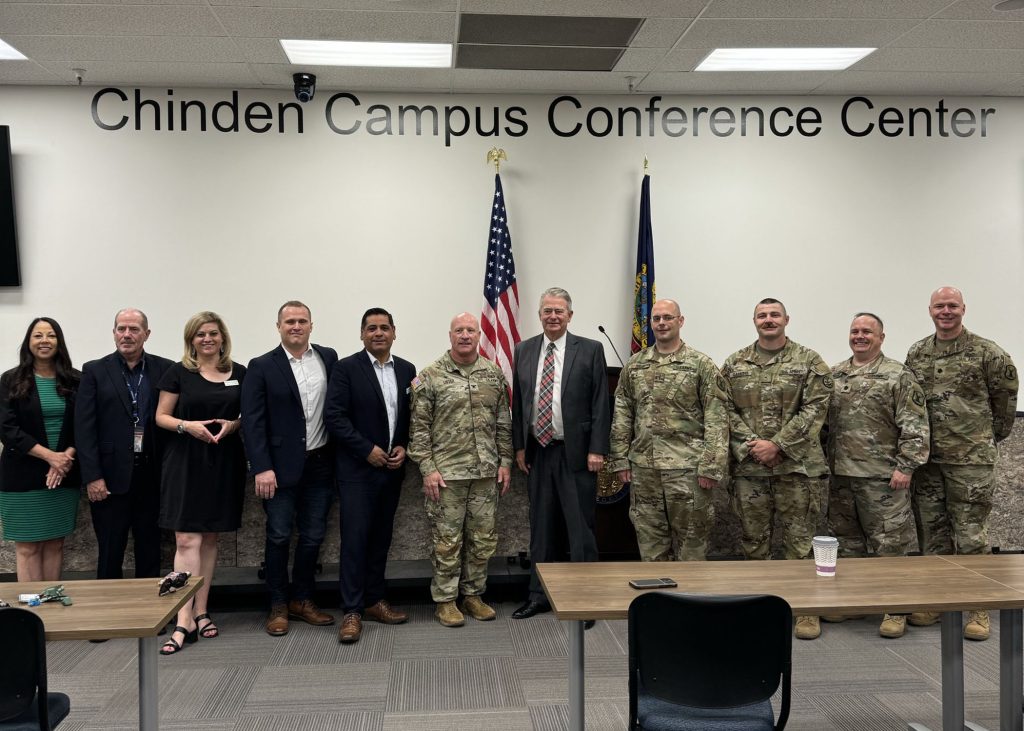
The Idaho National Guard and the Idaho Office of Information Technology Services recently hosted Cyber Discovery 2024 at the state’s Chinden Campus in Boise. Cyber Discovery is a regional cyber exercise focused on security operations, incident tracking and response. The exercise takes place within the framework of the Department of Defense’s Innovative Readiness Training program, enhancing its training value to both the state and Idaho National Guard while saving taxpayer dollars.
“One of the biggest benefits to conducting the training like this is that there’s minimal cost to either party,” said Col. Dan Lister, chief information officer for the Idaho National Guard’s Office of Information Management. “If you were to simulate this, you would be into the millions of dollars.”
During the exercise, 26 Guardsmen from Alaska, Idaho, and South Dakota Army and Air National Guards played the role of cyber threat actors while a team of 19 ITS employees, three Boise State cyber security program students and three Idaho Army National Guardsmen formed a defense team.
“We’re training to rapidly integrate Guard members for that cyber 911 that could come at any time,” said Chief Warrant Officer 4 Jerred Edgar, a defense cyber operations element officer with the Idaho National Guard. “We’re able to use the IRT to form and shape that response and rehearse it with our partners.”
Edgar said the ITS blue team made significant strides in threat detection, synchronized actions, and teamwork over last year’s performance in the exercise.
“Everything we do in these environments produces tangible results that the state can use to reduce cyber threats,” he said. “It’s process improvement, it’s building on efficiencies and identifying effective tools.”
The exercise provides exceptional training value to Guard members as well, said Lister.
“They’re training in a large-scale, real-world environment,” he said. “It really can’t be simulated and it’s very complementary to the skill sets they will use at various military echelon levels wherever they go in the world.”
Brig. Gen. Shannon Smith Selected as Assistant Adjutant General – Air
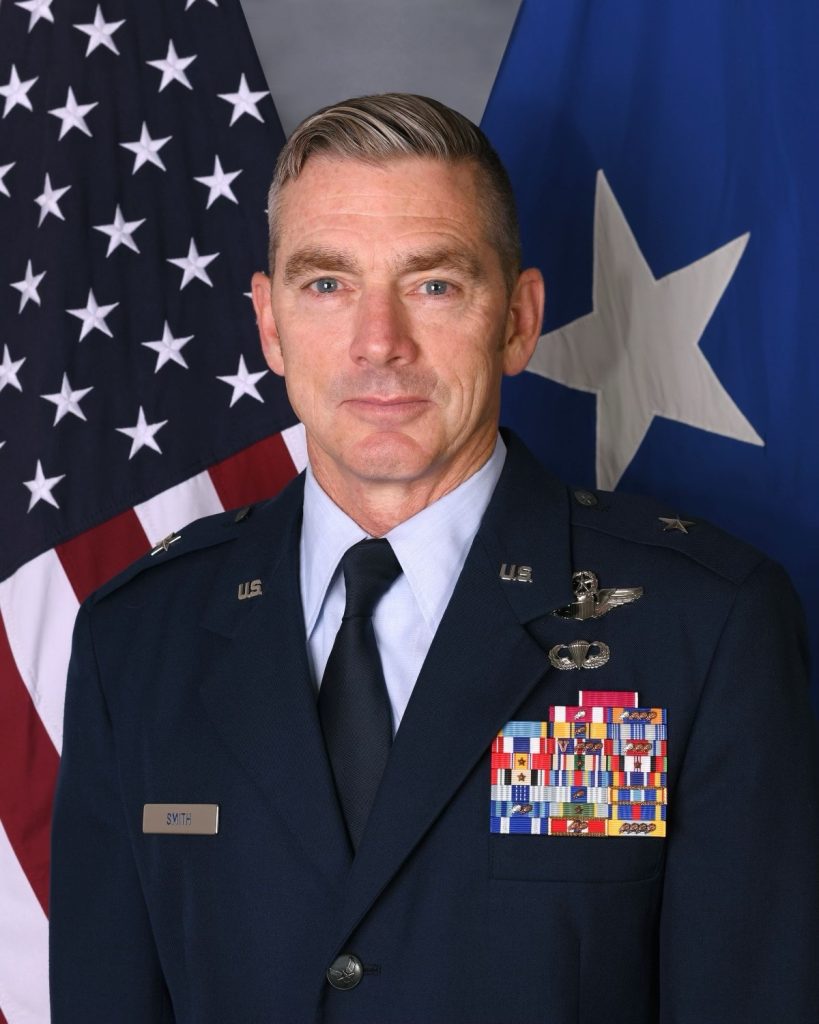
Maj. Gen. Timothy Donnellan is pleased to announce the selection of Brig. Gen. Shannon “Sinjin” Smith as the commander of the Idaho Air National Guard and assistant adjutant general- Air.
Smith replaces Donnellan in the same roles following Donnellan’s promotion to major general and appointment as adjutant general of Idaho and commander of the Idaho National Guard.
Smith previously served as the chief of staff of the Idaho Air National Guard, commander of the 113th Wing in Washington D.C., and commander of the Idaho Air National Guard’s 124th Fighter Wing. Smith has served in the Air National Guard since April 2002, following a decade in the active duty Air Force. As a pilot, he has logged more than 4,200 flight hours in his career and deployed to Afghanistan in support of Operation Enduring Freedom.
As the 124th Fighter Wing commander, Smith guided the wing through supporting the state’s response to the the COVID-19 pandemic while successfully conducting the wing’s second largest deployment in its history. During that 2020 deployment, the 124th Fighter Wing supported four named operations across 18 different locations, flying nearly 600 combat hours with no mishaps and a 100 percent weapons hit rate with no collateral damage.
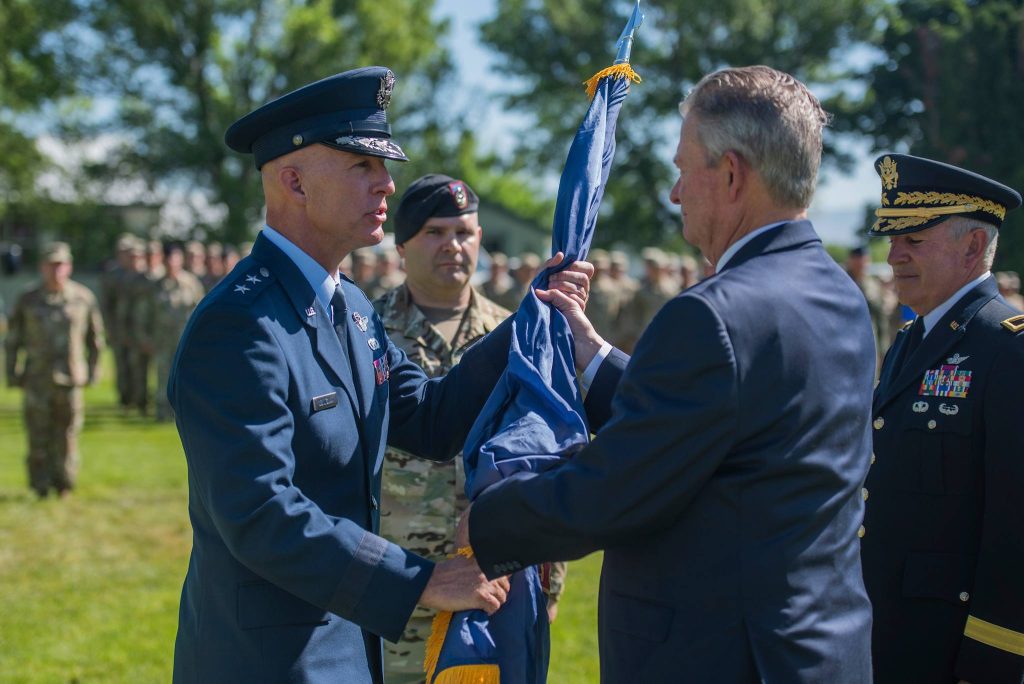
Maj. Gen. Timothy J. Donnellan becomes Idaho’s 26th adjutant general
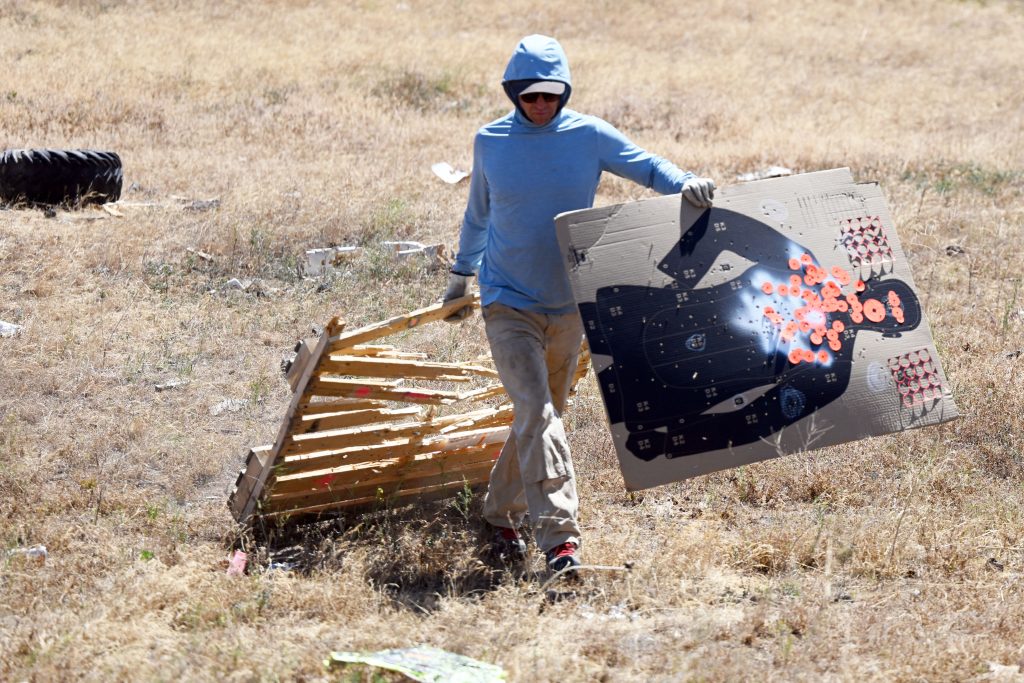
Guardsmen, Volunteers Clean Up Birds of Prey National Conservation Area
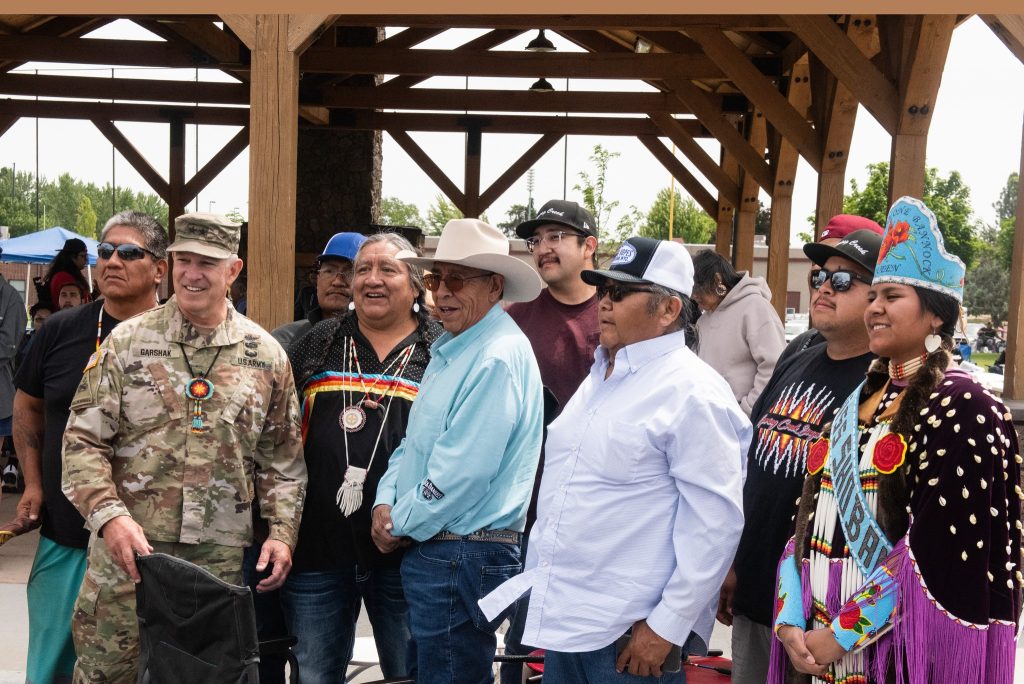
Idaho National Guard Participates in 13th Annual Return of the Boise Valley People
Idaho Medical Airmen Train in Field to Boost Readiness
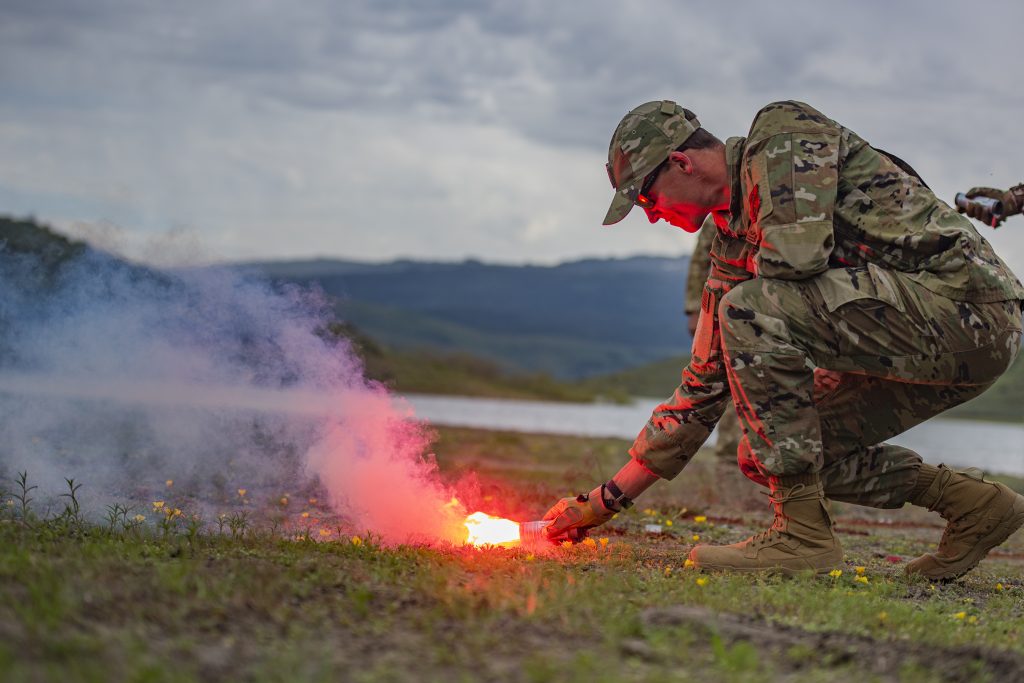
MOUNTAIN HOME, Idaho – Airmen from the Idaho Air National Guard’s 124th Medical Group trained in a field environment near Little Camas Reservoir in Elmore County June 5-8 to prepare for future deployments.
“The intent for this field training was to get the entire medical group exposed to the field environment for deployment readiness, as well as pushing comfort zones and team building,” said Maj. Mark Urban, critical care air transport team physician.
About 65 medical personnel practiced treating and stabilizing casualties using tactical combat casualty care in a simulated deployed location while defending medical structures and personnel.
Master Sgt. Raymond Perez, 124th Fighter Wing survival, evasion, resistance and escape specialist, trained the Airmen to survive in intense situations in unfamiliar surroundings.
“The medical teams will be geographically separated from the hospitals while deployed, functioning from a forward operating base,” said Perez. “I am training them on personal protection, clothing, building shelters, building fires, mental and physical health, environmental safety and protection, water purification and food sustenance. We are going to find food in the area, anywhere from vegetation on the ground to hunting animals that we will cook and eat.”
Medical personnel focused on tactical combat casualty care, point of injury, patient packaging, calling in a 9-Line medevac, patient movement, ground treatment and prolonged field care. Perez trained them on map and compass skills, signaling and recovery and making ground-to-air signals with flares for air rescue.